

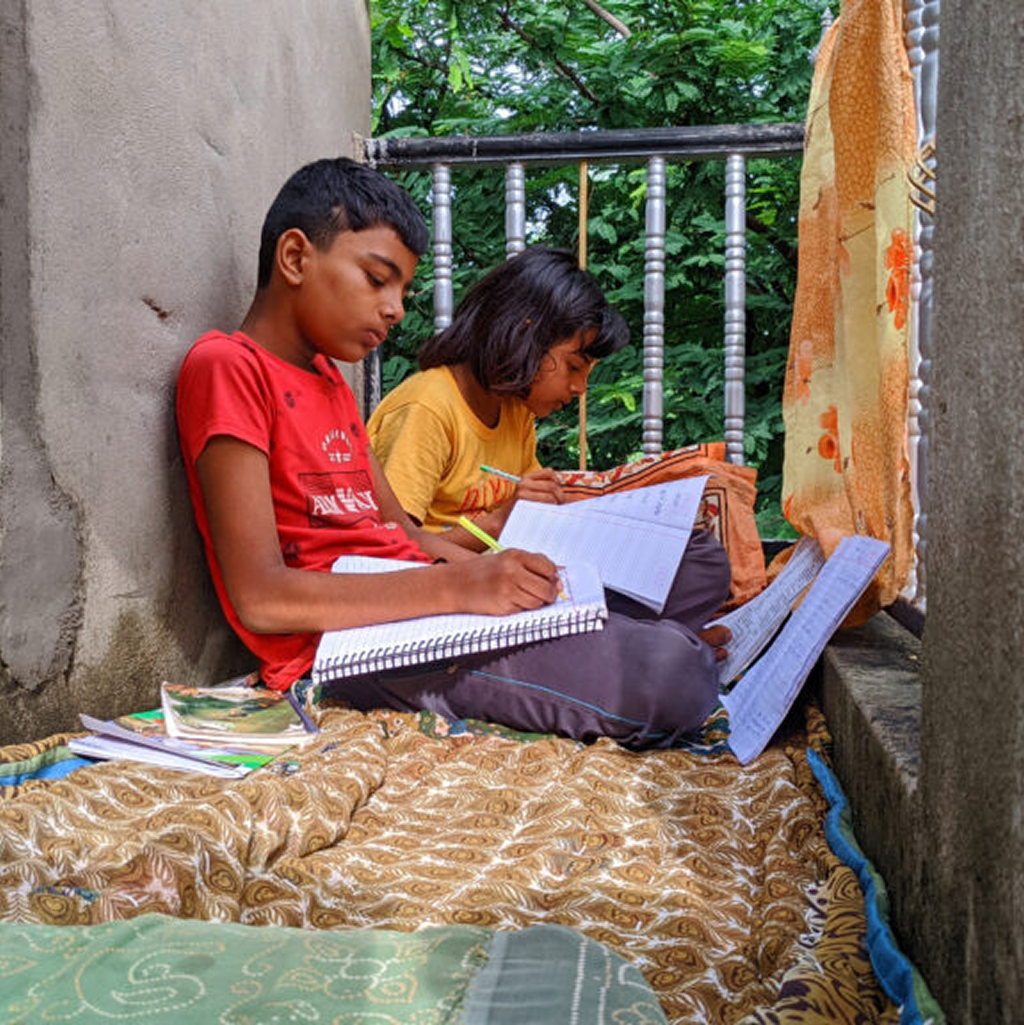
Like there is no “one way” to run a school, college, or university, there exists no standard model or template to start guiding the education system towards an aim, especially in the post-COVID-19 scenario. What we do know is that now is the time to start figuring out what comes next. Now is the time that we start taking education seriously and reckon on disruptive innovation.
The coronavirus pandemic has inflamed the learning crisis that we had already been dealing with, creating a sizeable learning poverty gap chiefly in the rural areas. The solution lies in the competency-based education (CBE) approach that will allow students to advance based on their ability to master a subject, competency, or skill at a pace they are comfortable at, regardless of their external environment.
For quite some time, the global education leaders are talking about the CBE method of learning as the next wave of change that can raise the education standards across the world. And, India isn’t looking at it from the bench. Besides CBE, international educational institutions are experimenting with self-paced learning and modular coursework that allows defining skills and measuring results, which is the need of the hour!
The question that arises is, how will we implement CBE across schools, colleges, and universities? Will it help neutralize the repercussions of our haunting COVID-19-led tribulation? Will it enable Indian students to construct a future that is rewarding and normal? Investing time in finding short-cuts will only result in failure, for students need both knowledge and skills to succeed in work and in life.
So, suppose we have to return to normal; in that case, we will have to uplift, innovate, and renovate our practices and guide our workforces to lead the future of our nation – who have been slacking on account of unimpressionable online classes.